
Type 2 diabetes is one of the most common lifestyle-related health conditions today, affecting millions worldwide. It develops when the body becomes resistant to insulin or doesn’t produce enough insulin to maintain healthy blood sugar levels. If left unmanaged, diabetes can lead to serious complications affecting the heart, kidneys, nerves, eyes, and overall quality of life.
The good news is that with the right medical guidance, lifestyle changes, and regular monitoring, Type 2 diabetes can be effectively managed — helping individuals lead healthy, active, and fulfilling lives.
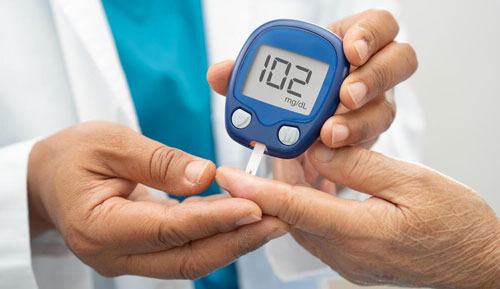
Type 2 diabetes occurs when glucose builds up in the bloodstream because the body cannot use insulin properly. This results in elevated blood sugar levels over time. Common symptoms may include excessive thirst, frequent urination, fatigue, blurred vision, slow wound healing, or unexplained weight changes. In some cases, symptoms may be mild and go unnoticed for years.
Early diagnosis and proper treatment are key to preventing long-term complications and improving health outcomes.
Managing Type 2 diabetes involves a combination of medical treatment and healthy lifestyle habits. Some of the most effective approaches include:
Nutrition plays a major role in controlling blood sugar. Eating the right foods in the right portions can significantly improve glucose control. A diabetes-friendly diet usually includes high-fiber foods, lean proteins, healthy fats, whole grains, fruits, and vegetables while limiting refined sugar, processed foods, and excessive carbohydrates.
Personalized meal planning based on your lifestyle, body weight, and metabolic profile can make diabetes management easier and more sustainable.
Regular physical activity improves insulin sensitivity, supports weight loss, lowers blood sugar, and boosts overall well-being. Even simple activities like brisk walking, cycling, yoga, or strength training can make a meaningful difference in managing diabetes.
Consistency is more important than intensity — staying active every day helps maintain stable glucose levels and supports long-term metabolic health.
Routine blood sugar checks help track progress and guide treatment adjustments. Along with glucose monitoring, regular screening for blood pressure, cholesterol, kidney health, eye health, and foot care is essential in preventing diabetes-related complications.
Preventive care allows early identification of health concerns before they become serious.
Managing Type 2 diabetes is not just about controlling blood sugar — it’s about improving overall health and preventing future complications. With the right combination of medication, nutrition, exercise, and preventive care, diabetes can be managed successfully.
Under expert guidance from Dr. Mayur M. Mewada, patients receive personalized diabetes care focused on sustainable health improvement, metabolic balance, and long-term wellness — helping them live healthier and more confident lives.